
Creative Biolabs: Engineering the Next Generation of CAR-T Therapies Beyond First-Generation Success
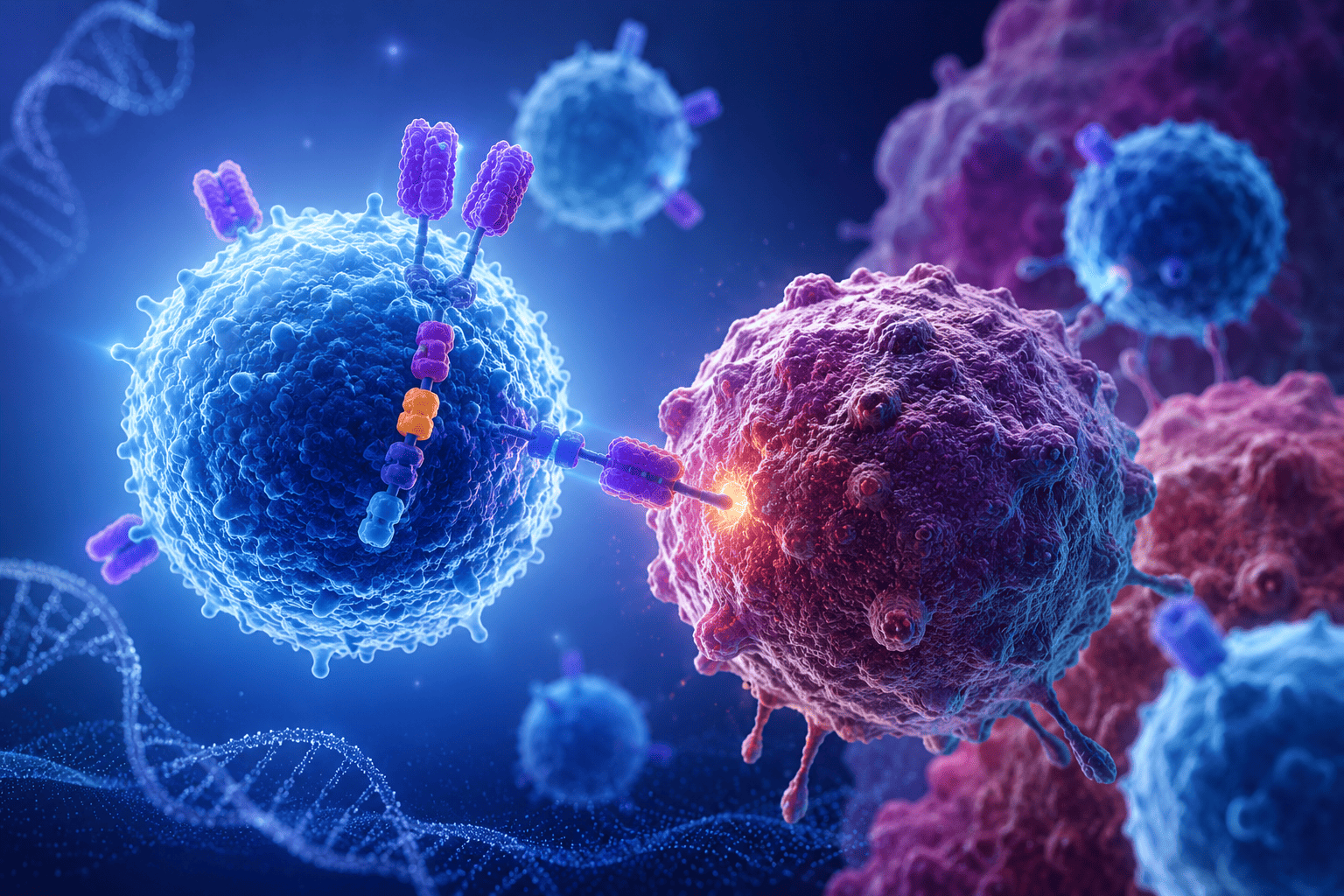
CAR-T cell therapy has transformed the treatment landscape for several hematologic malignancies, delivering remarkable clinical responses in patients with limited therapeutic options. Yet as the field shifts toward solid tumors and broader indications, researchers are encountering a new generation of scientific and translational challenges that cannot be solved by target discovery alone.
Today, the focus of CAR-T innovation is increasingly moving from what the cells recognize to how the cells perform—maintaining activity in hostile tumor microenvironments, minimizing treatment-related toxicities, and enabling scalable development for clinical translation.
Among the most significant barriers is therapy-associated toxicity. Cytokine release syndrome (CRS) and immune effector cell-associated neurotoxicity syndrome (ICANS) continue to influence clinical trial design, patient eligibility, and treatment strategies. Rather than relying solely on post-treatment intervention, many researchers are now exploring safety-by-design approaches that incorporate controllable signaling pathways and built-in safety mechanisms during CAR engineering.
Another major obstacle is metabolic dysfunction. Within solid tumors, hypoxia, nutrient deprivation, and immunosuppressive signaling frequently drive CAR-T cell exhaustion, limiting persistence and reducing long-term antitumor efficacy. Improving cellular fitness has therefore become a growing priority in the development of next-generation cell therapies.
At the same time, manufacturing complexity remains a practical hurdle. Lengthy production timelines, variability in patient-derived starting materials, and demanding quality-control requirements continue to challenge the scalability and accessibility of autologous CAR-T therapies.
Addressing these interconnected challenges requires integrated engineering strategies rather than isolated technical improvements.
To support researchers working in this rapidly evolving field, Creative Biolabs has developed a portfolio of CAR-T development platforms designed to optimize therapeutic performance throughout the development process.
Its CAR-T development solution provides comprehensive support spanning target selection, CAR construct design, functional characterization, and optimization, helping researchers accelerate candidate development while reducing technical risk.
Recognizing the growing importance of cellular metabolism, the company also offers a metabolic-enhanced CAR-T development solution, which incorporates metabolic engineering strategies to improve T-cell persistence, functionality, and resilience within immunosuppressive tumor microenvironments.
Complementing these capabilities, next-generation CAR-T toxicity management solutions enable researchers to evaluate engineering approaches such as safety-switch integration and signaling optimization, supporting the development of CAR-T candidates with improved safety profiles before clinical translation.
"The next phase of CAR-T innovation will depend not only on identifying new therapeutic targets, but also on engineering cells that remain functional, durable, and controllable throughout treatment," said a scientific representative from Creative Biolabs. "By integrating CAR design, metabolic optimization, and safety engineering into a unified development strategy, researchers can address multiple translational challenges simultaneously."
Learn more about Creative Biolabs' integrated solutions supporting next-generation CAR-T research: https://www.creative-biolabs.com/car-t/.
About Creative Biolabs
Leveraging expertise in CAR-T engineering and translational research, Creative Biolabs offers integrated platforms spanning CAR design, metabolic enhancement, toxicity management, and customized development services. By collaborating with academic institutions, biotechnology companies, and pharmaceutical organizations worldwide, Creative Biolabs helps accelerate the development of safer, more effective next-generation cell therapies.